Are Foot Massagers Any Good?
Foot massagers can be good for short-term comfort and relaxation, especially if you enjoy kneading, rolling, warmth, or compression. They aren't a cure for foot pain, and the feel depends on the massage style and pressure.
On this page (7 sections)
Foot massagers can be good for short-term comfort and relaxation, especially if you enjoy kneading, rolling, warmth, or compression. They don't work the same for everyone, and they aren't a cure for foot pain.
The right fit depends on what feels pleasant to you, how much pressure you want, and whether you want to massage only your feet or your calves too. A machine can make an at-home massage easy to repeat, but it can't tell you what's causing pain.
Do foot massagers really work?
Yes, foot massagers work in the sense that they can provide massage and warmth, but the comfort you get varies by person, model, and setting. Shiatsu-style kneading, rollers, air compression, and heat create different sensations.
A foot massager may help you relax after standing or walking. That doesn't mean it treats an injury or a medical condition, and a stronger massage isn't automatically more effective.
For a closer look at what the different features do, read what a foot massager actually does. If you want to understand possible benefits and limits for foot health, see whether a foot massager is good for your feet.
What does a foot massager feel like?
Most foot massagers use kneading, rolling, compression, or a mix of those sensations. Some add gentle warmth, which can make a session feel cozier without changing how the massage pressure feels.
Kneading presses and moves against the foot. Rollers travel along the sole, while air compression gently squeezes parts of the foot; the strength and coverage depend on the device.
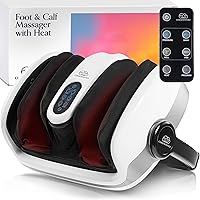
MIKO combines deep kneading, rolling, compression, and heat, with 5 air pressure settings and 3 massage modes. That range may suit you if you want to adjust the feel, though the number of settings doesn't guarantee that you'll like the pressure.
A simpler device can still be a better choice if you want fewer controls. Consider the sensations you enjoy, rather than assuming more features will feel better.
Which kind of foot massager may suit you?
Choose a machine by the sensation and coverage you want, not by a promise that it will relieve a particular condition. Check the instructions and fit details, then start at a gentle setting.
A foot-only model is a practical starting point if you mainly want massage under and around your feet. RENPHO combines kneading, compression, and heat, with 3 intensity levels and separate timer options of 15, 20, or 30 minutes.
RENPHO says it fits up to a US men's size 12, so check the fit if your feet are larger. Its description also warns that the device may not suit people sensitive to kneading pressure.
For another foot-only option with kneading, rolling, compression, heat, and 3 massage settings, consider Medcursor. Its instructions say to allow about 5–10 minutes for the kneading balls to warm up if you want the warming function.
Choose a foot-and-calf unit if you want massage beyond your feet. The COMFIER ottoman includes shiatsu, compression, vibration, and heat, and its foot rooms fit up to men's size 13.
COMFIER gives you 3 compression intensities and 2 leg massage modes. Its maker recommends a calf circumference of 32–42 cm, so measure before choosing it.
Can a foot massager help with sore or tired feet?
It may feel soothing when your feet are tired, but it can't promise pain relief. If pressure makes soreness worse, stop the session instead of trying a higher setting.
Start at the lowest intensity and use only a brief session while you learn how the massage feels. Avoid using a device on skin that can't sense pressure or heat normally unless a health professional says it's suitable for you.
If pain is ongoing, severe, or affects how you walk, ask a health professional for advice. A massager shouldn't delay care or replace a diagnosis.
Is heat in a foot massager worth having?
Heat is useful if you like warm feet during a massage; it's optional if you don't. Some machines allow warmth to work alongside massage, while others let you choose functions separately.
RENPHO describes its heating function as reaching up to 131°F. Use heat only as directed, and stop if it feels too hot or uncomfortable.
A foot spa is a different kind of at-home foot care because it centers on soaking. Compare the options in foot spa or foot massage machine: which to buy.
How often should you use a foot massager?
Use it only as often and as long as the device instructions allow, and let comfort guide each session. Begin gently and stop if you feel pain, tingling, numbness, or skin irritation.
A built-in timer can help limit a session, but it doesn't show that a duration is right for everyone. Our guide to how often to use a foot massager covers a cautious starting routine.
Are foot massagers worth trying?
A foot massager may be worth trying if you enjoy massage at home and can find a comfortable pressure. Pick a foot-only model for kneading, rolling, compression, or warmth underfoot; consider a foot-and-calf design if you want that broader coverage.
Skip one if pressure is unpleasant or you expect it to solve persistent pain. Compare the controls, fit, and massage style, and ask a health professional about symptoms that don't improve.
Foot massagers can be good for relaxation, but your own comfort is the deciding factor. Start gently, follow the instructions, and stop when the sensation doesn't feel right.
Frequently asked questions
Do foot massagers really work?
They can provide a massage sensation and temporary relaxation, but results vary by person and device. Kneading, rolling, compression, and warmth feel different, so choose based on the sensations you enjoy.
A foot massager doesn't diagnose or treat a medical condition; ask a health professional about persistent pain.
Are foot massagers good for sore feet?
A foot massager may feel soothing after a long day, but strong pressure can bother sensitive feet. Start with a gentle setting and stop if you feel pain, numbness, or unusual discomfort.
If soreness keeps returning or interferes with daily activity, talk with a health professional.
How long should you use a foot massager?
Follow the device instructions and start with a short session at low intensity. Some devices have built-in timers, such as 15, 20, or 30 minutes, but that doesn't make every duration right for every person.
Stop early if the massage feels uncomfortable.
Is heat necessary in a foot massager?
No. Heat is an optional comfort feature for people who like warm feet, while kneading, rolling, or compression can be used without it on some models.
If you have reduced ability to sense heat, check with a health professional before using a heated device.